The 1969 Ford Mustang Mach 1. The name itself conjures images of raw power, aggressive styling, and the golden age of American muscle cars. For many, owning a '69 Mach 1 isn't just about owning a car; it's about owning a piece of history, a symbol of an era when performance and design reigned supreme. Finding the right one for sale, however, requires knowledge, patience, and a keen eye. This comprehensive guide will equip you with everything you need to navigate the world of '69 Mach 1s and drive away with the Mustang of your dreams.
This article will delve into the history, key features, potential pitfalls, and valuation factors associated with this iconic vehicle. We'll cover everything from verifying authenticity to understanding common restoration challenges. By the end, you'll be well-prepared to make an informed decision and avoid costly mistakes.
The Ultimate Guide to Finding Your Dream 1969 Ford Mustang Mach 1 For Sale
Why the 1969 Mach 1 Still Captivates Car Enthusiasts
The 1969 Mustang Mach 1 wasn't just a trim package; it was a statement. It represented Ford's commitment to performance and its desire to compete with the burgeoning muscle car market. Several factors contribute to its enduring appeal:
-
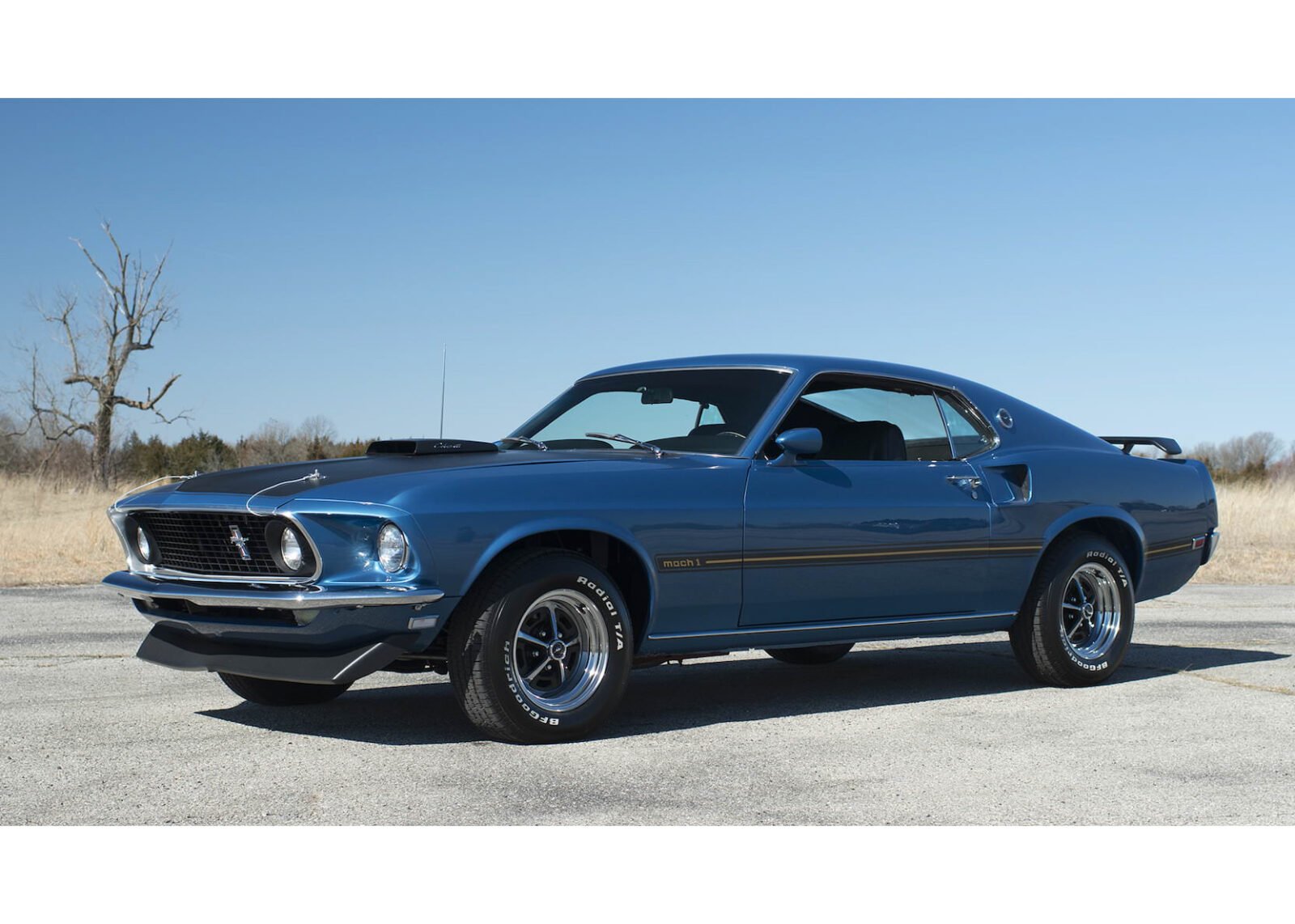
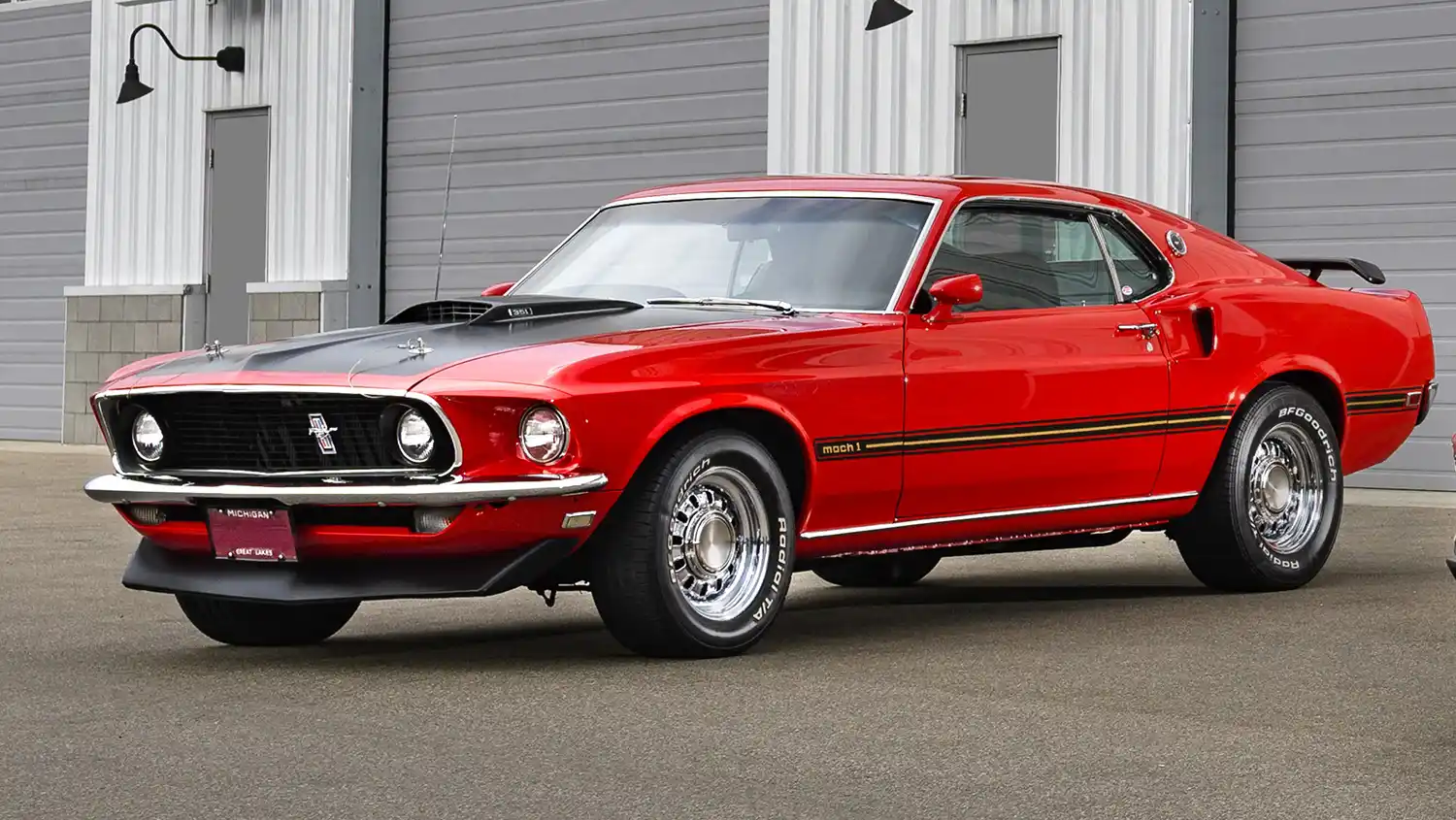
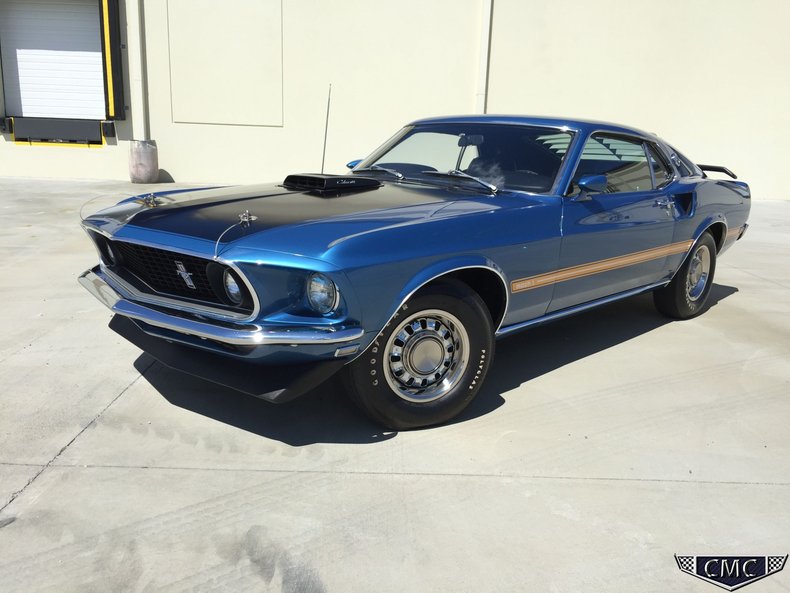
Aggressive Styling: The Mach 1's distinct features, like the shaker hood scoop (available on some engine options), hood pins, racing stripes, and rear spoiler, gave it a menacing look that set it apart from other Mustangs.
-
Powerful Engine Options: From the base 351 Windsor to the legendary 428 Cobra Jet, the '69 Mach 1 offered a range of potent engines that delivered thrilling performance.
-
Rarity and Collectibility: While not the rarest Mustang variant, the '69 Mach 1 is highly sought after by collectors due to its iconic status and limited production numbers.
Cultural Significance: The Mach 1 appeared in numerous films and television shows, further cementing its place in popular culture and solidifying its image as a symbol of American muscle.
Decoding the VIN: Ensuring Authenticity and Identifying Key Features
One of the most crucial steps in buying a '69 Mach 1 is verifying its authenticity. The Vehicle Identification Number (VIN) holds the key to unlocking the car's history and confirming whether it's a genuine Mach 1.
The VIN is typically located on the driver's side dashboard, visible through the windshield. It can also be found on the door tag. Here's how to decode it:
- First Digit (Year): "9" indicates a 1969 model year.
- Second Digit (Assembly Plant):
- "F" - Dearborn, Michigan
- "R" - San Jose, California
- "T" - Metuchen, New Jersey
- Third and Fourth Digits (Body Code): This is where you confirm it's a Mach 1.
- "63C" designates a Mach 1 SportsRoof (fastback).
- Fifth Digit (Engine Code): This indicates the original engine installed in the car. This is very important in determining value. Some common codes include:
- "H" - 351-2V Windsor
- "M" - 351-4V Windsor
- "Q" - 428-4V Cobra Jet
- "R" - 428-4V Cobra Jet (with Ram Air)
- Remaining Digits (Sequential Production Number): This number indicates the order in which the car was produced at the assembly plant.
Pro tip from us: Compare the VIN on the dashboard to the VIN on the door tag and any other documentation you can find. Discrepancies can be a red flag indicating potential fraud or a re-bodied car.
Common Engine Options and Their Performance Characteristics
The 1969 Mach 1 offered a range of engine choices, each with its own distinct performance characteristics. Understanding these differences is crucial for determining the car's value and suitability for your needs.
-
351 Windsor (2V and 4V): The base engine offered a good balance of performance and fuel economy. The 2V (two-barrel carburetor) version produced around 250 horsepower, while the 4V (four-barrel carburetor) version boosted output to approximately 290 horsepower.
-
390 FE: This engine provided a significant step up in performance, delivering around 320 horsepower. It offered strong low-end torque, making it a great choice for street driving.
-
428 Cobra Jet: The king of the hill, the 428 Cobra Jet was a true powerhouse. Officially rated at 335 horsepower (though likely underrated), it delivered blistering acceleration and was a formidable competitor on the drag strip. The Ram Air version, with its functional shaker hood scoop, further enhanced performance by providing a cooler air intake.
Based on my experience, the 428 Cobra Jet Mach 1s are the most desirable and valuable, but they also command the highest prices. The 351 Windsor models offer a more affordable entry point into the Mach 1 world while still providing a fun and engaging driving experience.
Key Features and Options That Enhance Value and Desirability
Beyond the engine, several other features and options can significantly impact the value and desirability of a '69 Mach 1. These include:
-
Shaker Hood Scoop: This iconic feature was available on 428 Cobra Jet models and added to the car's aggressive appearance. Original, functional shaker scoops are highly prized.
-
Ram Air Induction: The Ram Air system, available on the 428 Cobra Jet, ducted cool air directly into the engine, improving performance.
-
Four-Speed Manual Transmission: While automatic transmissions were available, the four-speed manual is generally preferred by enthusiasts for its greater control and engaging driving experience.
-
Factory Air Conditioning: While it might seem counterintuitive on a muscle car, factory air conditioning can increase the car's value, especially in warmer climates.
-
Power Steering and Power Brakes: These options enhance the car's drivability and make it more comfortable for everyday use.
-
Console and Gauges: A center console and full instrumentation add to the car's interior appeal and provide valuable information to the driver.
-
Exterior Color: Certain rare and desirable colors, such as Grabber Blue or Calypso Coral, can command a premium.
Where to Find 1969 Ford Mustang Mach 1s For Sale
Finding the right '69 Mach 1 for sale requires a strategic approach. Here are some of the best places to look:
-
Online Auction Sites: Websites like eBay Motors and Bring a Trailer are popular platforms for buying and selling classic cars. However, it's essential to do your research and carefully inspect the car before bidding.
-
Classic Car Dealerships: Dealerships specializing in classic and muscle cars can offer a more curated selection and often provide warranties or guarantees.
-
Online Marketplaces: Websites like Hemmings and ClassicCars.com are dedicated to listing classic cars for sale.
-
Car Clubs and Forums: Mustang car clubs and online forums can be excellent resources for finding cars for sale and connecting with other enthusiasts.
-
Local Car Shows and Events: Attending local car shows and events can provide opportunities to see Mach 1s in person and talk to owners who may be considering selling.
Common mistakes to avoid are: Relying solely on online listings without conducting a thorough inspection, failing to verify the car's authenticity, and overpaying for a car that is not in good condition.
Evaluating the Condition: What to Look For and What to Avoid
Once you've found a potential '69 Mach 1, it's crucial to carefully evaluate its condition. Here's what to look for:
-
Rust: Rust is the biggest enemy of classic cars. Check for rust in common areas like the floor pans, rocker panels, quarter panels, and around the windshield and rear window.
-
Body Damage: Look for signs of previous accidents or repairs. Check for mismatched paint, uneven panel gaps, and body filler.
-
Engine Condition: Inspect the engine for leaks, unusual noises, and signs of wear. Have a mechanic perform a compression test to assess the engine's health.
-
Transmission and Drivetrain: Check for smooth shifting and proper engagement of the gears. Listen for any unusual noises from the transmission or rear end.
-
Interior Condition: Examine the upholstery, carpets, and dashboard for wear and tear. Check the operation of all gauges and accessories.
-
Originality: Determine the extent to which the car is original. While some modifications may be acceptable, a highly original car will generally be more valuable.
Restoration Considerations: Potential Costs and Challenges
If you're considering buying a '69 Mach 1 that needs restoration, it's essential to be aware of the potential costs and challenges involved.
-
Rust Repair: Rust repair can be one of the most expensive aspects of restoration, especially if extensive bodywork is required.
-
Mechanical Repairs: Rebuilding or replacing the engine, transmission, or other mechanical components can also be costly.
-
Parts Availability: While many parts are available for '69 Mustangs, some original or rare parts can be difficult and expensive to find.
-
Labor Costs: If you're not doing the work yourself, labor costs can quickly add up.
-
Time Commitment: Restoration projects can take a significant amount of time, so be prepared for a long-term commitment.
Based on my experience, it's often more cost-effective to buy a well-maintained, original car than to restore a neglected one. However, if you're passionate about restoration and have the skills and resources, it can be a rewarding experience.
Understanding Market Value and Negotiating a Fair Price
Determining the fair market value of a '69 Mach 1 can be challenging, as prices can vary widely depending on condition, originality, and engine option. Here are some resources to help you assess the car's value:
-
Online Price Guides: Websites like NADAguides and Kelley Blue Book offer valuation tools for classic cars.
-
Auction Results: Reviewing recent auction results for similar '69 Mach 1s can provide valuable insights into current market values.
-
Appraisals: Consider hiring a professional appraiser to assess the car's condition and provide an accurate valuation.
When negotiating a price, be prepared to walk away if the seller is unwilling to meet your offer. Remember, there are always other '69 Mach 1s out there.
Essential Questions to Ask the Seller Before Making an Offer
Before making an offer on a '69 Mach 1, be sure to ask the seller the following questions:
- Is the car a genuine Mach 1?
- What is the car's history?
- Has the car been involved in any accidents?
- What is the condition of the engine, transmission, and other mechanical components?
- Are there any known issues with the car?
- Does the car have its original engine and transmission?
- Do you have any documentation for the car, such as the original window sticker or build sheet?
- Can I have the car inspected by a mechanic?
Securing Your Investment: Insurance and Maintenance Tips
Once you've purchased your '69 Mach 1, it's essential to protect your investment with proper insurance and maintenance.
-
Classic Car Insurance: Standard auto insurance policies may not adequately cover the value of a classic car. Consider purchasing classic car insurance, which typically offers agreed-value coverage and specialized benefits.
-
Regular Maintenance: Follow a regular maintenance schedule to keep your Mach 1 in top condition. This includes oil changes, tune-ups, and inspections of the brakes, suspension, and other critical components.
-
Proper Storage: Store your Mach 1 in a dry, covered location to protect it from the elements.
-
Join a Car Club: Joining a Mustang car club can provide access to valuable resources, technical advice, and a community of fellow enthusiasts.
Conclusion: Owning a Piece of Automotive History
The 1969 Ford Mustang Mach 1 is more than just a car; it's a symbol of an era, a testament to American ingenuity, and a source of pride for its owners. By following the guidance in this comprehensive guide, you can navigate the world of '69 Mach 1s with confidence and find the Mustang of your dreams. Remember to do your research, verify authenticity, carefully evaluate the condition, and negotiate a fair price. With a little knowledge and patience, you can own a piece of automotive history that will provide years of enjoyment. Happy hunting!
