The Ford Mustang. The name alone conjures images of open roads, roaring engines, and timeless American cool. For decades, the Mustang has captivated car enthusiasts, becoming an icon of style, performance, and freedom. If you're dreaming of owning a piece of automotive history, a classic Mustang for sale might just be the perfect vehicle for you.
But entering the world of classic car ownership, especially when it comes to a beloved model like the Mustang, can feel daunting. Where do you start? What should you look for? How do you ensure you're getting a fair deal and avoiding potential pitfalls?
The Ultimate Guide to Buying a Classic Ford Mustang: Finding Your Dream Pony Car
This comprehensive guide is your roadmap to navigating the exciting, and sometimes challenging, journey of buying a classic Ford Mustang. We'll cover everything from identifying your ideal model and understanding its history to assessing its condition, negotiating a price, and ensuring a smooth ownership experience. Consider this your ultimate resource for making an informed and confident decision.
Why Choose a Classic Ford Mustang?
Before diving into the "how," let's explore the "why." Why should you consider a classic Mustang over a modern vehicle or another classic car? The answer lies in a unique blend of factors:
-
Iconic Design: The early Mustangs (1964.5-1973) boast undeniably beautiful and distinctive designs. From the sleek lines of the fastback to the aggressive stance of the Mach 1, these cars exude a timeless appeal that transcends generations. They are rolling works of art.
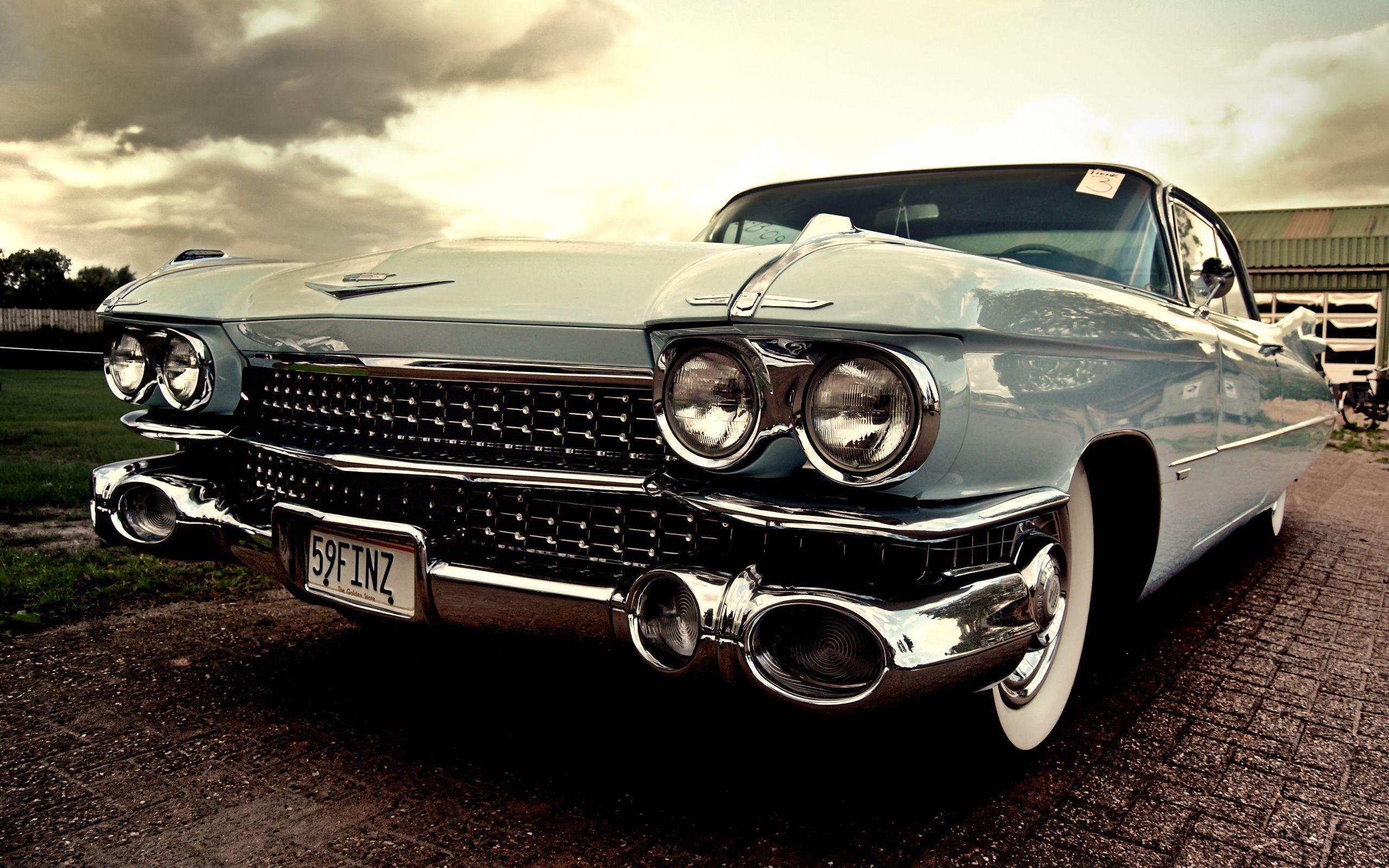
Affordable Classic: Compared to some other classic cars, Mustangs are relatively affordable to buy and maintain. This is due to their large production numbers and the availability of parts. You can find a project car for a few thousand dollars or a meticulously restored showpiece for considerably more. The point is there's something for every budget.
-
Strong Community: The Mustang community is one of the largest and most passionate in the automotive world. Owners clubs, online forums, and car shows provide ample opportunities to connect with fellow enthusiasts, share knowledge, and find support for your restoration or maintenance projects. This sense of camaraderie is invaluable.
-
Investment Potential: While not guaranteed, a well-maintained classic Mustang can appreciate in value over time. Certain models, such as Shelby Mustangs and Boss Mustangs, are particularly sought after by collectors and command premium prices. Even more common models can hold their value well, making them a potentially smart investment.
-
Driving Experience: Forget the overly complex technology of modern cars. Classic Mustangs offer a raw, engaging driving experience. The sound of the engine, the feel of the steering wheel, and the connection to the road are all incredibly rewarding. It's a driving experience that's hard to replicate in modern vehicles.
Identifying Your Ideal Classic Mustang
The term "classic Mustang" encompasses a wide range of models and years. To narrow your search, it's crucial to determine which generation and specific model appeals to you most. Here's a breakdown of the key Mustang generations and some popular models:
-
First Generation (1964.5-1973): This is the most iconic generation, featuring the original Mustang design and a variety of body styles.
- 1964.5-1966: The "original" Mustang, known for its simple lines and classic appeal. Popular models include the coupe, convertible, and fastback.
- 1967-1968: A slightly larger and more aggressive design. Notable models include the Shelby GT350 and GT500.
- 1969-1970: Characterized by its bold styling and powerful engine options. The Boss 302 and Boss 429 are highly sought-after.
- 1971-1973: The largest of the first-generation Mustangs, featuring a more streamlined design. The Mach 1 is a popular choice.
-
Second Generation (1974-1978): Known as the "Mustang II," this generation was smaller and more fuel-efficient, reflecting the changing automotive landscape of the time. While not as popular as the first generation, it still holds a certain charm and is often more affordable.
-
Third Generation (1979-1993): The "Fox Body" Mustang, known for its versatility and performance potential. This generation is popular among enthusiasts for its affordability and ease of modification.
Factors to Consider:
- Budget: How much are you willing to spend on the car itself and potential restoration or maintenance costs?
- Desired Use: Will you be using the Mustang as a daily driver, a weekend cruiser, or a show car?
- Personal Preferences: Do you prefer a coupe, convertible, or fastback? Are you drawn to a specific engine size or trim level?
- Availability: Some models are rarer and more difficult to find than others. Be prepared to expand your search area if necessary.
Pro tip from us: Research is key. Spend time reading articles, watching videos, and browsing online forums to learn about the different models and their specific characteristics. This will help you make an informed decision and avoid potential regrets.
Where to Find Classic Mustangs for Sale
Once you have a clear idea of the Mustang you're looking for, it's time to start your search. Here are some popular places to find classic Mustangs for sale:
- Online Marketplaces: Websites like ClassicCars.com, Hemmings, and eBay Motors are excellent resources for finding a wide variety of Mustangs from private sellers and dealerships.
- Classic Car Auctions: Auctions can be a great way to find unique or rare Mustangs, but be sure to do your research and set a budget before bidding. Reputable auction houses include Barrett-Jackson and Mecum Auctions.
- Local Car Clubs and Shows: Attending local Mustang car shows and joining Mustang clubs can connect you with owners who may be selling their cars. This can also be a great way to network and learn more about the Mustang community.
- Word of Mouth: Don't underestimate the power of word of mouth. Let your friends, family, and colleagues know you're looking for a classic Mustang. You never know who might have a lead.
Assessing the Condition of a Classic Mustang
Before making an offer on a classic Mustang, it's crucial to thoroughly assess its condition. This will help you identify any potential problems and negotiate a fair price. Here are some key areas to inspect:
-
Body: Check for rust, dents, and signs of previous repairs. Pay close attention to areas prone to rust, such as the rocker panels, floor pans, and wheel wells. Look for mismatched paint or signs of body filler, which could indicate hidden damage.
-
Engine: Listen for any unusual noises, such as knocking or ticking. Check for leaks and signs of overheating. Ask for maintenance records to get an idea of the engine's history.
-
Transmission: Test the transmission by shifting through all the gears. Look for smooth and consistent shifting. Listen for any grinding or slipping.
-
Interior: Inspect the upholstery, carpets, and dashboard for wear and tear. Check the operation of all the gauges, lights, and accessories.
-
Frame: The frame is the backbone of the car. Look for any signs of rust, damage, or repairs. A damaged frame can be costly to repair and can compromise the car's safety.
-
Documentation: Ask the seller for any documentation they have on the car, such as the original window sticker, build sheet, or maintenance records. This can help verify the car's authenticity and history.
Common mistakes to avoid are: Rushing the inspection process. Take your time and be thorough. It's better to spend a few extra hours inspecting the car than to end up with a costly surprise later on. Also, relying solely on the seller's word. Always verify information independently.
Based on my experience... it's always a good idea to have a qualified mechanic inspect the car before you buy it. They can identify potential problems that you might miss and provide an objective assessment of the car's condition. A pre-purchase inspection can save you a lot of money and headaches in the long run.
Negotiating the Price and Closing the Deal
Once you've found a classic Mustang you love and have thoroughly inspected it, it's time to negotiate the price. Here are some tips for negotiating a fair price:
- Do Your Research: Research the market value of similar Mustangs in similar condition. Use online resources like NADA Guides and Hagerty Valuation Tool to get an idea of the car's worth.
- Be Prepared to Walk Away: Don't be afraid to walk away from the deal if the seller is unwilling to negotiate. There are plenty of other Mustangs out there.
- Highlight Any Flaws: Point out any flaws you found during the inspection and use them as leverage to negotiate a lower price.
- Be Respectful: Even if you're negotiating aggressively, be respectful to the seller. A positive attitude can go a long way.
- Get it in Writing: Once you've agreed on a price, get it in writing. A written agreement will protect both you and the seller.
Closing the Deal:
- Payment: Determine the accepted form of payment. Cash, certified check, or wire transfer are common options.
- Title and Registration: Ensure the seller provides you with a clear title to the car. You'll need this to register the car in your name.
- Insurance: Obtain insurance coverage for the car before you drive it off the lot.
- Transportation: Arrange for transportation of the car to your home. You can either drive it yourself or hire a professional transport company.
Maintaining and Enjoying Your Classic Mustang
Congratulations! You're now the proud owner of a classic Ford Mustang. But the journey doesn't end here. To keep your Mustang running smoothly and looking its best, you'll need to perform regular maintenance.
- Regular Servicing: Follow the manufacturer's recommended maintenance schedule. This includes oil changes, tune-ups, and other routine maintenance tasks.
- Proper Storage: If you're not driving your Mustang regularly, store it in a dry, covered location. This will help protect it from the elements.
- Join a Car Club: Joining a Mustang car club is a great way to connect with other enthusiasts, learn about maintenance tips, and participate in car shows and events.
- Enjoy the Ride: Most importantly, enjoy the ride! Owning a classic Mustang is a unique and rewarding experience. Take it out for a spin on a sunny day and appreciate the timeless beauty and performance of this iconic American car.
Owning a classic Ford Mustang is more than just owning a car; it's owning a piece of history. By following this guide, you can confidently navigate the buying process and find the Mustang of your dreams. With proper care and maintenance, your classic Mustang will provide you with years of enjoyment and become a cherished part of your life. Remember to enjoy the journey and the open road ahead!
