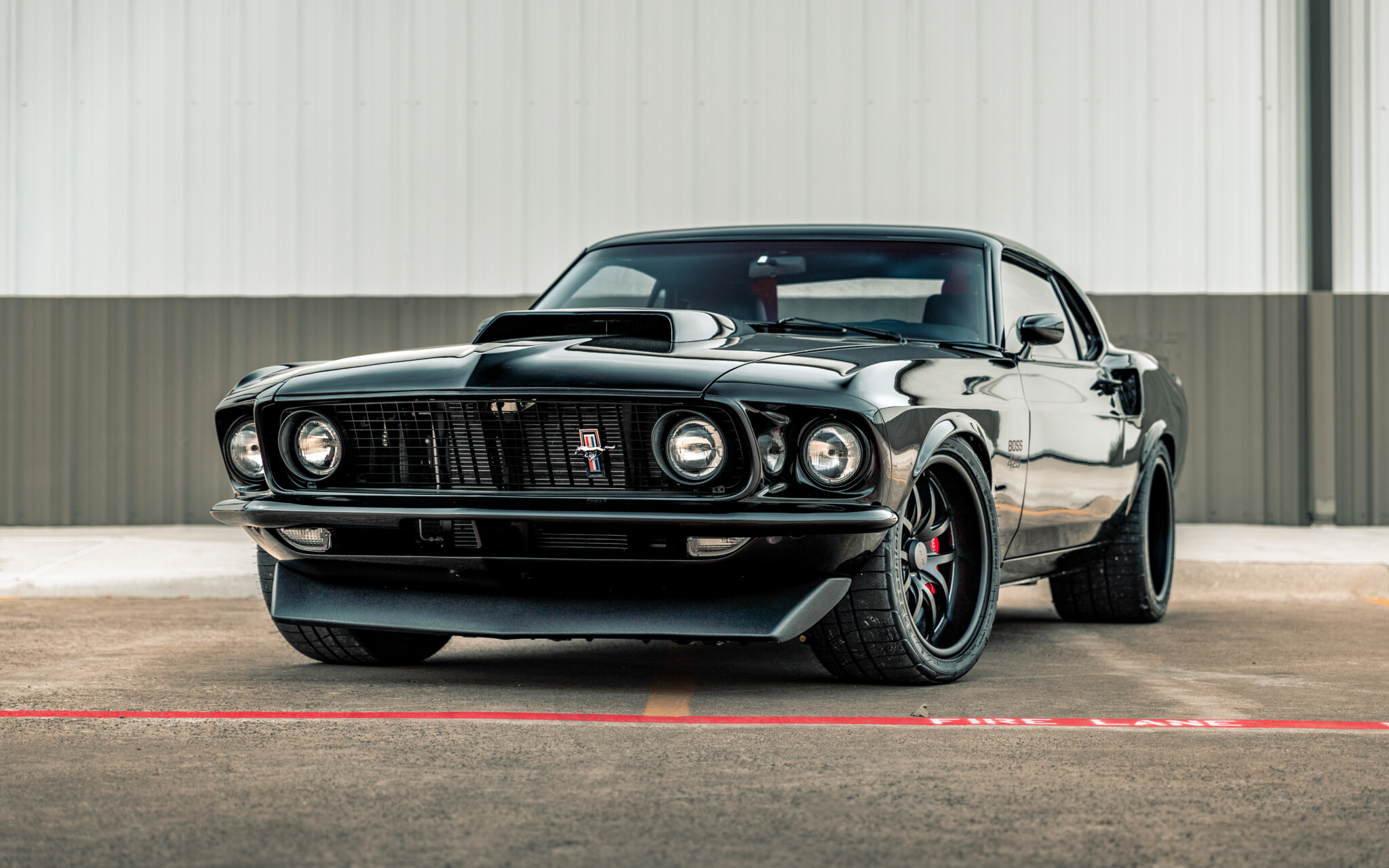
The 1969 Ford Mustang Boss 429. Just the name itself evokes images of raw power, aggressive styling, and a legendary status among muscle car enthusiasts. Finding a 1969 Ford Mustang Boss 429 for sale is akin to embarking on a treasure hunt. It's a journey filled with excitement, potential pitfalls, and the ultimate reward: owning a piece of automotive history.
This comprehensive guide will navigate you through the intricacies of finding, evaluating, and potentially purchasing a 1969 Boss 429. We'll delve into the car's history, its unique features, what to look for in a potential purchase, and how to ensure you're getting the real deal.
The Holy Grail of Muscle Cars: Finding Your 1969 Ford Mustang Boss 429 For Sale
Why the 1969 Boss 429 Holds Such Allure
The Boss 429 wasn't just another Mustang trim level. It was a purpose-built machine created for one specific reason: to homologate Ford's new 429 cubic inch "semi-hemi" engine for NASCAR racing. Ford needed to sell a certain number of cars to the public with this engine to be eligible for competition. This is where the legend begins.
The result was a Mustang unlike any other. Ford contracted with Kar Kraft, a Brighton, Michigan-based company, to modify existing Mustang bodies to accommodate the massive engine. This involved widening the shock towers, modifying the suspension, and making numerous other changes. This makes the Boss 429 a true hand-built car.
- Rarity: Only 859 Boss 429s were produced in 1969, making them incredibly rare and highly sought after. This scarcity naturally drives up their value.
- Performance: While the engine was officially rated at 375 horsepower, many believe the true output was closer to 400 or even higher. This raw power, combined with the car's aggressive styling, made it a formidable performer on the street and the track.
- Legacy: The Boss 429 represents the pinnacle of the muscle car era. It's a symbol of American automotive ingenuity and a testament to the pursuit of performance.
The Hunt Begins: Where to Look for a 1969 Boss 429 For Sale
Finding a 1969 Boss 429 for sale requires patience, diligence, and a bit of luck. These cars rarely appear on mainstream car sales websites. You need to dig deeper.
- Specialty Classic Car Dealers: These dealerships specialize in high-end classic and muscle cars. They often have connections to collectors and may have access to Boss 429s that aren't publicly advertised.
- Classic Car Auctions: Auctions like Mecum, Barrett-Jackson, and RM Sotheby's regularly feature rare and valuable cars, including Boss 429s. Be prepared for competitive bidding.
- Online Forums and Classifieds: Websites dedicated to classic Mustangs and muscle cars often have classified sections where owners list their cars for sale. These can be a good source, but exercise caution and do your due diligence.
- Networking: Talk to other Mustang enthusiasts, attend car shows, and let people know you're looking for a Boss 429. Word-of-mouth can be a powerful tool.

Decoding the Details: Identifying a Genuine Boss 429
One of the biggest challenges in buying a 1969 Boss 429 is ensuring its authenticity. Due to their rarity and value, these cars are often cloned or misrepresented. A thorough inspection and verification process is crucial.

- VIN Number: The Vehicle Identification Number (VIN) is your first line of defense. The fifth digit of the VIN should be "Q," indicating that the car was originally equipped with a Boss 429 engine. However, a VIN alone isn't enough.
- Door Data Plate: The door data plate provides additional information about the car's original configuration, including the paint code, trim code, and build date. Verify that this information matches the car's current condition.
- Engine Code: The engine code, located on the engine block, should match the correct code for a 1969 Boss 429. This code is often difficult to access and may require the removal of certain components.
- Kar Kraft Number: Each Boss 429 received a unique Kar Kraft number, which was stamped on the driver's side shock tower. This number is a crucial piece of evidence in verifying the car's authenticity.
- Original Paperwork: Original documentation, such as the build sheet, window sticker, and dealer invoice, can provide invaluable proof of the car's history and originality.
- Expert Inspection: Enlisting the help of a Mustang expert is highly recommended. They can identify subtle details and inconsistencies that might be missed by the untrained eye.
What to Look For: Assessing the Condition of a Potential Purchase
Once you've verified the car's authenticity, it's time to assess its condition. This involves a thorough inspection of the body, engine, interior, and mechanical components.
- Body: Look for signs of rust, damage, or previous repairs. Pay close attention to the areas that were modified by Kar Kraft, such as the shock towers and the front suspension. Check the panel gaps for consistency and alignment.
- Engine: A compression test is essential to assess the health of the engine. Look for signs of leaks, unusual noises, or excessive smoke. Verify that the engine components are original or correct for a 1969 Boss 429.
- Interior: Check the condition of the seats, carpets, door panels, and dashboard. Look for tears, stains, or cracks. Verify that the gauges and instruments are functioning properly.
- Mechanical Components: Inspect the brakes, suspension, steering, and exhaust system. Look for signs of wear, damage, or leaks. Verify that the car shifts smoothly and handles properly.
Pro tips from us: Don't be afraid to ask questions. The seller should be able to provide detailed information about the car's history, restoration, and maintenance. Also, take detailed photos and videos of the car. This will be helpful for future reference and documentation.
Common Mistakes to Avoid When Buying a Boss 429
Buying a 1969 Boss 429 is a significant investment. Avoiding these common mistakes can save you time, money, and heartache.
- Rushing the Process: Don't be pressured into making a quick decision. Take your time to thoroughly research the car, inspect it carefully, and verify its authenticity.
- Overlooking Red Flags: If something seems too good to be true, it probably is. Be wary of cars that are priced significantly below market value or that have incomplete documentation.
- Ignoring Expert Advice: Don't be afraid to seek the advice of a Mustang expert. Their knowledge and experience can be invaluable in identifying potential problems and verifying authenticity.
- Falling in Love Before Inspecting: It's easy to get caught up in the excitement of owning a Boss 429. However, it's important to remain objective and assess the car's condition realistically.
- Neglecting Paperwork: Always obtain a clear title and all relevant documentation before purchasing the car. This will protect you from potential legal issues down the road.
Based on my experience, many buyers get so caught up in the dream of owning a Boss 429 that they overlook critical details. It's essential to approach the purchase with a clear head and a methodical approach.
The Cost of a Legend: Understanding Market Value
The value of a 1969 Boss 429 can vary widely depending on its condition, originality, and provenance. Fully restored, numbers-matching examples can command prices well into the six-figure range. Cars in unrestored or project condition will typically sell for less.
- Condition: A car in excellent condition with original parts will be worth significantly more than a car in poor condition with non-original parts.
- Originality: A numbers-matching car, where all the major components (engine, transmission, rear end) are original to the car, will be worth more than a car with replacement parts.
- Provenance: A car with a documented history, such as ownership records, racing history, or celebrity ownership, may be worth more than a car with an unknown history.
Common mistakes to avoid are: Relying solely on online price guides. These guides can provide a general idea of market value, but they don't always accurately reflect the current market conditions.
Preserving the Legacy: Maintaining Your Boss 429
Once you've acquired your 1969 Boss 429, it's important to properly maintain it to preserve its value and ensure its longevity.
- Regular Maintenance: Follow a regular maintenance schedule, including oil changes, tune-ups, and fluid checks.
- Proper Storage: Store the car in a dry, climate-controlled environment to prevent rust and deterioration.
- Careful Driving: Drive the car responsibly and avoid subjecting it to excessive wear and tear.
- Original Parts: Whenever possible, use original or correct reproduction parts when repairing or restoring the car.
- Documentation: Keep detailed records of all maintenance, repairs, and restoration work.
Resources for the Boss 429 Enthusiast
There are numerous resources available to help you learn more about the 1969 Boss 429 and connect with other enthusiasts.
- The Boss 429 Registry: This registry maintains a database of known Boss 429s and provides valuable information about the car's history and specifications.
- Mustang Clubs: Joining a Mustang club can provide access to a network of knowledgeable enthusiasts and valuable resources.
- Online Forums: Online forums dedicated to classic Mustangs and muscle cars are a great place to ask questions, share information, and connect with other owners.
- Books and Magazines: Numerous books and magazines have been written about the Mustang and the Boss 429. These publications can provide detailed information about the car's history, specifications, and restoration.
The Enduring Appeal
The 1969 Ford Mustang Boss 429 isn't just a car; it's a symbol of an era. Its rarity, performance, and iconic status make it a prized possession for collectors and enthusiasts alike. Finding a 1969 Ford Mustang Boss 429 for sale is a challenging but rewarding experience. By following the guidelines outlined in this guide, you can increase your chances of finding the real deal and owning a piece of automotive history.
Here's an interesting article about the history of the Ford Mustang
Remember to do your research, be patient, and seek expert advice. With diligence and a bit of luck, you could be the next owner of this legendary muscle car. Happy hunting!
Check out our article on the 1967 Shelby GT500 and another article on classic car restoration tips.
