The 1965 Ford Mustang. Just the name conjures images of classic American cool, open roads, and a rebellious spirit. For many, owning a '65 Mustang isn't just about owning a car; it's about owning a piece of history. But stepping into the world of classic car ownership, particularly with such an iconic model, requires careful research and consideration. This comprehensive guide will equip you with the knowledge you need to navigate the process of buying a 1965 Ford Mustang, ensuring you find the right car and avoid common pitfalls.
Why the 1965 Mustang Still Captivates
The Enduring Allure: A Comprehensive Guide to Buying a 1965 Ford Mustang
The 1965 Mustang holds a special place in automotive history for several reasons:
- Iconic Design: Its long hood, short deck, and sporty fastback or convertible options defined a generation. The design was revolutionary, appealing to a broad demographic and setting the standard for "pony cars."
- Affordability: When it was first released, the Mustang was surprisingly affordable, making it accessible to a wider range of buyers than other sports cars of the time. This accessibility contributed to its massive popularity.
- Customization Options: Ford offered a plethora of options and accessories, allowing buyers to personalize their Mustangs to their exact preferences. This versatility made each Mustang unique and contributed to its lasting appeal.
- Cultural Impact: The Mustang quickly became a symbol of youth, freedom, and the American dream. It has been featured in countless movies and television shows, solidifying its place in popular culture.
- Investment Potential: Well-maintained 1965 Mustangs have proven to be solid investments, appreciating in value over time. This makes them not only enjoyable to own but also potentially profitable.

Decoding the 1965 Mustang: Understanding the Models and Options
Before diving into the market, it's crucial to understand the different 1965 Mustang models and the available options. This knowledge will help you narrow your search and accurately assess the value of a potential purchase.
Body Styles:
- Coupe: The most common and arguably most practical body style, the coupe offers a fixed roof and comfortable seating for four.
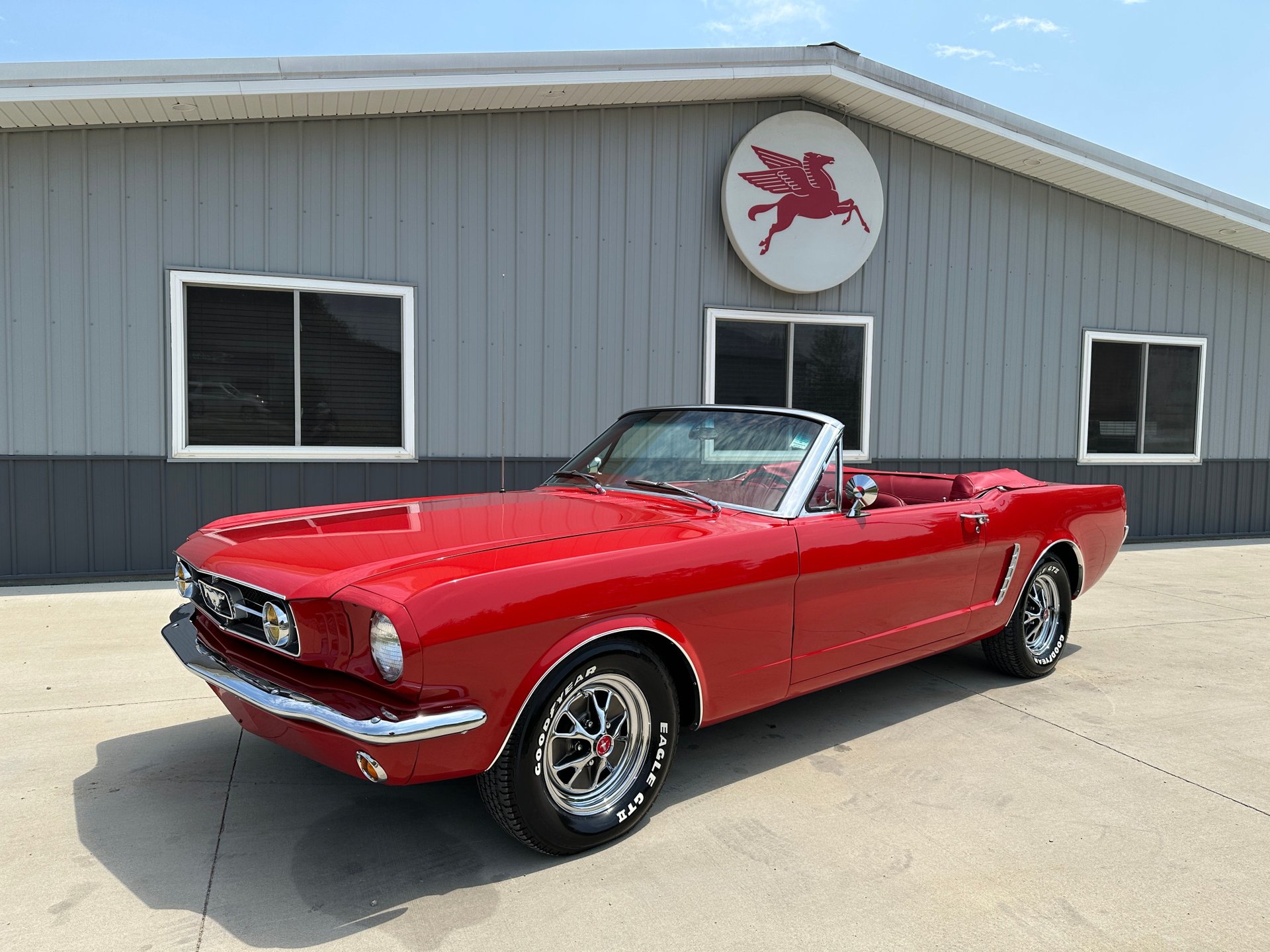
- Convertible: The epitome of open-air cruising, the convertible is highly desirable but generally commands a higher price.
- Fastback: Introduced mid-year, the fastback features a sleek, sloping roofline, making it the sportiest and arguably most sought-after body style.
Engines:
- 170 CID Inline-Six: The base engine, offering adequate performance for everyday driving. It's the most economical option.
- 200 CID Inline-Six: A slightly more powerful version of the inline-six, providing a modest performance upgrade.
- 260 CID V8: An early V8 option, offering a noticeable increase in power and performance compared to the six-cylinder engines.
- 289 CID V8 (Various Versions): The most popular and versatile engine option, available in different configurations ranging from a standard 2-barrel carburetor version to the high-performance "K-Code" engine.
Transmissions:
- 3-Speed Manual: The standard transmission, offering a traditional driving experience.
- 4-Speed Manual: A desirable upgrade, providing better acceleration and control.
- 2-Speed Automatic (Cruise-O-Matic): An easy-to-use option for those who prefer automatic shifting.
Common Options:
- Power Steering: Significantly improves handling and makes the car easier to maneuver, especially at low speeds.
- Power Brakes: Enhances braking performance and safety.
- Air Conditioning: A valuable option for those living in warmer climates.
- Rally-Pac: A stylish gauge cluster mounted on the steering column, adding a sporty touch.
- Console: A center console between the front seats, offering storage and a more luxurious feel.
- Styled Steel Wheels: An attractive alternative to the standard steel wheels, enhancing the car's appearance.
- GT Equipment Group: Included fog lights, special ornamentation, and upgraded suspension.
Finding Your Dream '65 Mustang: Where to Look
The hunt for a 1965 Ford Mustang can be exciting, but it's essential to know where to look and how to assess potential purchases.
- Online Marketplaces: Websites like Hemmings, ClassicCars.com, and eBay Motors are excellent resources for finding classic Mustangs. These platforms offer a wide selection and allow you to search based on specific criteria. However, always exercise caution and thoroughly vet any potential seller.
- Classic Car Auctions: Auctions, such as those hosted by Barrett-Jackson and Mecum, can be a great place to find rare and high-quality Mustangs. However, be prepared to pay a premium.
- Classic Car Dealers: Specialized classic car dealers often have a curated selection of Mustangs and can provide expert advice. They also typically offer warranties or guarantees.
- Local Car Clubs and Shows: Connecting with local Mustang clubs and attending car shows can lead to valuable leads and opportunities to network with other enthusiasts. These events often feature cars for sale.
- Word of Mouth: Don't underestimate the power of word of mouth. Let friends, family, and acquaintances know you're looking for a '65 Mustang. You never know who might have a lead.
Assessing the Condition: Key Areas to Inspect
Once you've found a potential candidate, it's crucial to thoroughly inspect its condition. This is where your knowledge of the 1965 Mustang's specific problem areas will prove invaluable.
- Body and Paint: Look for signs of rust, particularly in the lower panels, around the wheel wells, and in the trunk and floor pans. Check for evidence of previous repairs or bodywork. Examine the paint for imperfections, such as cracking, bubbling, or fading. Pay attention to panel gaps and alignment.
- Engine and Drivetrain: Start the engine and listen for any unusual noises, such as knocking or ticking. Check for leaks under the car. Inspect the fluids (oil, coolant, transmission fluid) for proper levels and condition. Test drive the car to assess the performance of the engine, transmission, and brakes.
- Interior: Examine the upholstery, carpets, and headliner for wear and tear. Check the operation of all gauges, lights, and accessories. Look for signs of water damage or mold.
- Frame and Suspension: Inspect the frame for rust or damage. Check the suspension components (shocks, springs, bushings) for wear and tear. Look for signs of sagging or uneven ride height.
- Documentation: Ask to see any available documentation, such as the original window sticker, owner's manual, and service records. This information can provide valuable insights into the car's history and maintenance.
Pro tips from us: Bring a magnet wrapped in a cloth. Gently use it around the lower panels and areas prone to rust. If the magnet doesn't stick, it could indicate the presence of body filler, suggesting hidden rust repairs.
Common Mistakes to Avoid
Buying a classic car can be a rewarding experience, but it's also easy to make mistakes if you're not careful.
- Rushing the Process: Take your time and don't feel pressured to make a quick decision. Thoroughly research and inspect any potential purchase.
- Ignoring Red Flags: Don't ignore warning signs, such as rust, leaks, or unusual noises. These problems can be costly to repair.
- Overpaying: Do your research to determine the fair market value of the car based on its condition and options. Don't be afraid to negotiate.
- Failing to Get a Pre-Purchase Inspection: Consider hiring a qualified mechanic to perform a pre-purchase inspection. This can help identify potential problems that you might miss.
- Neglecting Paperwork: Ensure that you have all the necessary paperwork, including the title, bill of sale, and any relevant service records.
- Not Considering Insurance and Storage: Factor in the cost of insurance and storage when budgeting for your classic Mustang.
Based on my experience... I've seen many buyers get caught up in the excitement and overlook critical flaws. A pre-purchase inspection by a mechanic specializing in classic cars is worth its weight in gold. They can identify potential issues that could cost you thousands down the road.
Budgeting for Your '65 Mustang
The cost of a 1965 Ford Mustang can vary widely depending on its condition, originality, and options. It's essential to establish a budget and stick to it.
- Purchase Price: Set a realistic budget for the purchase price of the car. Research comparable sales to get an idea of the fair market value.
- Repairs and Restoration: Factor in the cost of any necessary repairs or restoration work. This can include mechanical repairs, bodywork, paint, and interior restoration.
- Maintenance: Budget for ongoing maintenance, such as oil changes, tune-ups, and brake repairs.
- Insurance: Obtain quotes from different insurance companies to determine the cost of insuring your classic Mustang.
- Storage: If you don't have garage space, factor in the cost of storing your car.
- Taxes and Registration: Don't forget to budget for taxes and registration fees.
Restoration vs. Preservation: Choosing Your Path
When buying a classic Mustang, you'll need to decide whether you want a fully restored car, a well-preserved original, or something in between.
- Restoration: Involves returning the car to its original condition, often with new or refurbished parts. Restored cars typically command a higher price but require a significant investment of time and money.
- Preservation: Focuses on maintaining the car's original condition as much as possible. Preserved cars often have a unique patina and historical significance.
- Driver Quality: A car that is mechanically sound and presentable but may have some imperfections. Driver-quality cars are typically more affordable and suitable for those who want to enjoy driving their classic Mustang without worrying about preserving its originality.
The Joy of Ownership: Living the Mustang Dream
Owning a 1965 Ford Mustang is more than just owning a car; it's about joining a community of passionate enthusiasts and experiencing a piece of automotive history.
- Join a Mustang Club: Connecting with other Mustang owners can provide valuable support, advice, and camaraderie.
- Attend Car Shows and Events: Show off your Mustang and meet other enthusiasts at car shows and events.
- Enjoy the Drive: Take your Mustang out for a spin and experience the thrill of driving a classic American icon.
- Maintain Your Investment: Proper maintenance and care will help preserve the value of your Mustang and ensure that it continues to provide years of enjoyment.
Final Thoughts
The 1965 Ford Mustang remains an automotive icon, and owning one is a dream for many. By doing your research, carefully inspecting potential purchases, and avoiding common mistakes, you can find the right Mustang for you and experience the joy of owning a piece of American history. Remember to prioritize condition over price, and don't be afraid to walk away from a deal if something doesn't feel right. With patience and diligence, you can find the perfect 1965 Mustang to cruise into the sunset with. Good luck, and happy hunting!
