The Enduring Appeal of the 1966 Ford Mustang
The 1966 Ford Mustang occupies a special place in automotive history. It represents the peak of the first-generation Mustang's popularity. Its sleek lines, affordability, and customizable options made it an instant hit. Even today, the '66 Mustang evokes feelings of nostalgia and freedom.
1966 Ford Mustang For Sale
The 1966 model year saw some subtle refinements over the original 1964 1/2 and 1965 Mustangs. These changes, while not drastic, contributed to its overall appeal. Improved ventilation, revised instrument cluster, and different grille are just a few examples. The 1966 Mustang remains one of the most sought-after classic cars for collectors and enthusiasts.
Why Buy a 1966 Mustang?
Beyond its iconic status, there are several compelling reasons to consider purchasing a 1966 Mustang.
- Investment Potential: Classic Mustangs have generally appreciated in value over time. A well-maintained or restored '66 Mustang can be a solid investment.
- Ease of Maintenance: Compared to modern cars, classic Mustangs are relatively simple to work on. Parts are readily available and affordable.
- Community and Culture: Owning a classic Mustang connects you to a vibrant community of enthusiasts. Car shows, clubs, and online forums provide ample opportunities to share your passion.
- Pure Driving Pleasure: There's nothing quite like the feeling of driving a classic Mustang. The raw power, the throaty exhaust note, and the vintage styling offer a unique and engaging driving experience.
Identifying Different 1966 Mustang Models
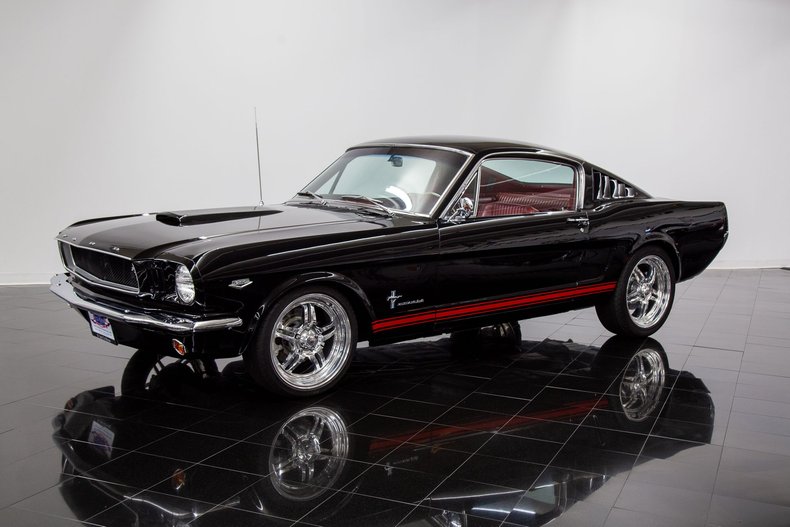
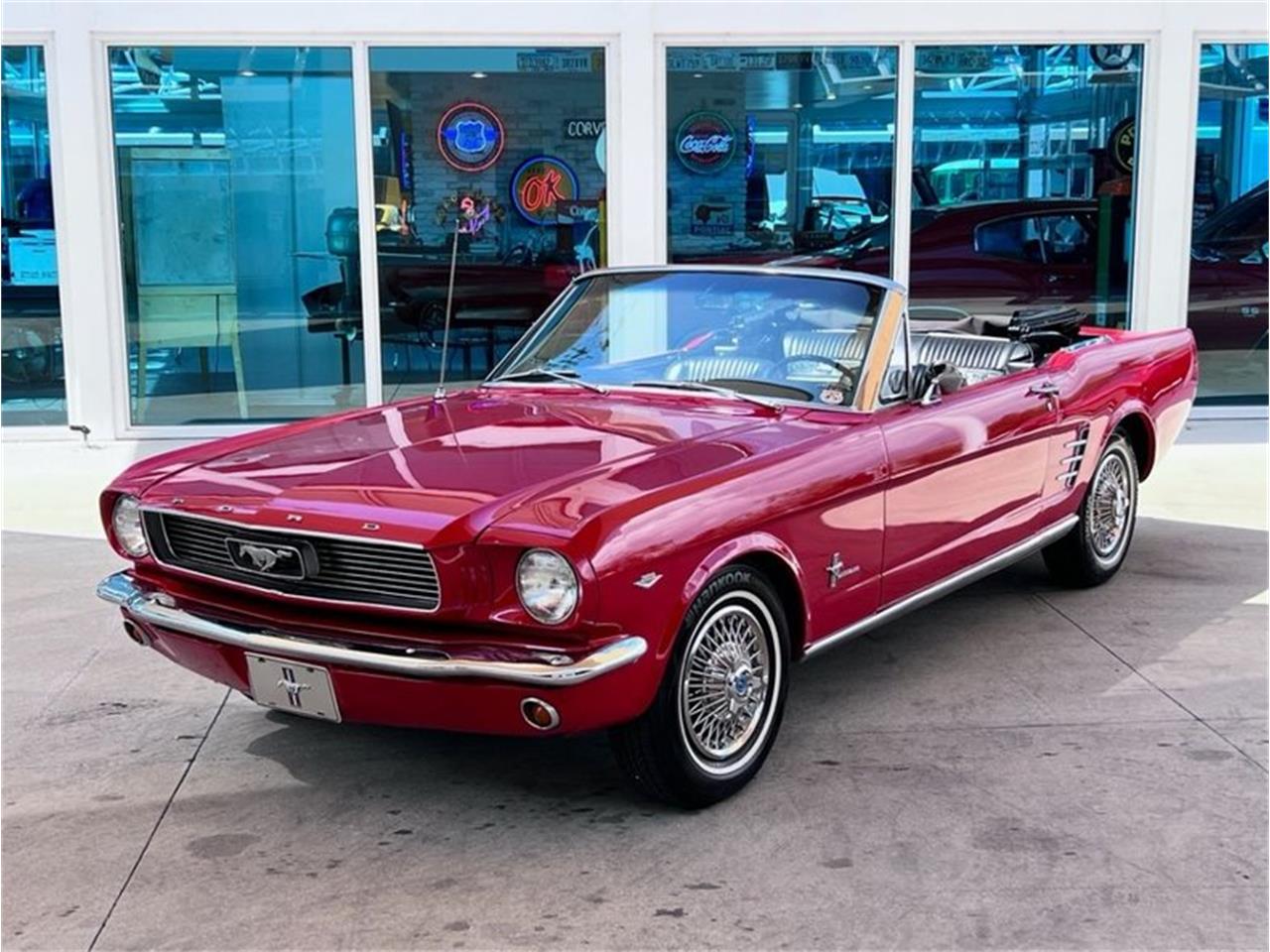
The 1966 Mustang came in several body styles and trim levels. Understanding these differences is crucial when searching for a '66 Mustang for sale.
- Coupe: The most common and affordable body style. The coupe offers a fixed roof and a comfortable interior.
- Convertible: A symbol of open-air freedom. The convertible features a retractable soft top, perfect for cruising on sunny days.
- Fastback: The sportiest and arguably the most desirable body style. The fastback features a sloping roofline that extends to the rear of the car.

Trim Levels:
- Base Model: The standard Mustang offered a good value for the money. It came with a basic interior and a choice of engines.
- GT: The performance-oriented GT model featured a more powerful engine, upgraded suspension, and distinctive styling cues like fog lights and stripes.
- High Performance 289: This was the top-of-the-line engine option for the Mustang. It provided a significant boost in power and performance.
Key Features to Look For
When inspecting a 1966 Mustang for sale, pay close attention to these key features:
- VIN (Vehicle Identification Number): The VIN is a unique identifier for each car. It can tell you the year, model, engine, and assembly plant. Make sure the VIN matches the title and other documentation.
- Engine: The engine is the heart of the Mustang. Common engine options include the 200 cubic inch inline-six and various versions of the 289 cubic inch V8. Check for signs of leaks, excessive smoke, or unusual noises.
- Transmission: The 1966 Mustang was available with either a manual or automatic transmission. Ensure that the transmission shifts smoothly and doesn't slip or grind.
- Body: Inspect the body for rust, dents, and signs of previous repairs. Pay close attention to the lower panels, wheel wells, and trunk floor.
- Interior: Check the condition of the seats, carpets, and dashboard. Look for tears, cracks, or missing parts.
- Originality: The more original a Mustang is, the more valuable it is likely to be. However, originality isn't always the most important factor. Some owners prefer modifications that enhance performance or comfort.
Where to Find 1966 Mustangs For Sale
Finding the right 1966 Mustang requires patience and research. Here are some of the best places to look:
- Online Marketplaces: Websites like Hemmings, ClassicCars.com, and eBay Motors specialize in classic cars. These sites offer a wide selection of Mustangs from across the country.
- Classic Car Dealers: Dealers specializing in classic cars can provide expert advice and a curated selection of Mustangs. They often offer warranties and financing options.
- Car Shows and Auctions: Car shows and auctions are great places to see a variety of Mustangs in person. You can often find good deals and connect with other enthusiasts.
- Local Classifieds: Don't overlook local classifieds websites and newspapers. You might find a hidden gem in your own backyard.
- Mustang Clubs and Forums: Joining a Mustang club or online forum can give you access to a network of knowledgeable enthusiasts. Members often know about Mustangs that are for sale before they are advertised publicly.
What to Expect to Pay: Understanding Market Value
The price of a 1966 Mustang can vary widely depending on its condition, body style, engine, and originality. Here's a general guideline:
- Coupe: $15,000 - $40,000+
- Convertible: $25,000 - $60,000+
- Fastback: $40,000 - $100,000+
These are just estimates. Pristine, numbers-matching examples can command significantly higher prices. Modified or project cars will typically sell for less. Always do your research and compare prices before making an offer. Hagerty Valuation Tool is a great resource.
Essential Tips for Inspecting a 1966 Mustang
A thorough inspection is crucial before buying any classic car. Here are some essential tips:
- Bring a Friend: Having a second pair of eyes can help you spot potential problems.
- Use a Checklist: Create a checklist of key areas to inspect. This will help you stay organized and ensure that you don't miss anything.
- Check for Rust: Rust is the biggest enemy of classic cars. Pay close attention to the lower panels, wheel wells, and trunk floor. Use a magnet to check for filler.
- Inspect the Engine: Check for leaks, excessive smoke, or unusual noises. Ask to see maintenance records.
- Test Drive the Car: A test drive is essential to assess the car's performance and handling. Pay attention to the brakes, steering, and suspension.
- Get a Pre-Purchase Inspection: Consider hiring a qualified mechanic to perform a pre-purchase inspection. This can help you identify hidden problems and avoid costly surprises.
Common Mistakes to Avoid
Buying a classic car can be exciting, but it's important to avoid common mistakes.
- Falling in Love Too Quickly: Don't let your emotions cloud your judgment. Take your time and do your research.
- Ignoring Rust: Rust can be expensive to repair. Don't underestimate the cost of rust repair.
- Overpaying: Know the market value of the car you're interested in. Don't be afraid to walk away if the price is too high.
- Skipping the Test Drive: A test drive is essential to assess the car's performance and handling.
- Neglecting the Paperwork: Make sure the title is clear and matches the VIN. Get all the necessary documentation before you buy the car.
Restoration vs. Preservation: Which is Right for You?
When considering a 1966 Mustang, you'll likely encounter cars that have been restored and those that have been preserved. Understanding the difference is important.
- Restoration: A restoration involves returning the car to its original condition. This may involve replacing worn or damaged parts with new or refurbished components. A full restoration can be expensive and time-consuming.
- Preservation: Preservation focuses on maintaining the car's original condition as much as possible. This may involve cleaning, waxing, and repairing minor damage. A preserved car will show its age, but it will also retain its original character.
The choice between restoration and preservation depends on your personal preferences and budget. Some collectors prefer restored cars that look like they just rolled off the assembly line. Others prefer preserved cars that tell a story.
Maintaining Your 1966 Mustang
Once you've purchased your 1966 Mustang, proper maintenance is essential to keep it running smoothly and looking its best.
- Regular Oil Changes: Change the oil and filter every 3,000 miles or every six months.
- Tune-Ups: Perform regular tune-ups to keep the engine running efficiently.
- Lubrication: Lubricate the chassis and suspension components regularly.
- Cooling System Maintenance: Flush and refill the cooling system every two years.
- Brake Maintenance: Inspect and replace brake pads and shoes as needed.
- Storage: If you're not driving your Mustang regularly, store it in a dry, covered location. Use a car cover to protect the paint.
The Joy of Ownership
Owning a 1966 Ford Mustang is more than just owning a car. It's about owning a piece of history, a symbol of American culture, and a source of endless enjoyment. From cruising down the open road to attending car shows and connecting with other enthusiasts, the '66 Mustang offers a unique and rewarding experience. So, do your research, take your time, and find the Mustang of your dreams!
Pro tips from us: Don't be afraid to ask questions. The classic car community is generally very helpful and willing to share their knowledge.
Based on my experience... Joining a local Mustang club was invaluable when I was searching for my own classic car. I learned so much from other members and got access to resources I wouldn't have found otherwise.
Common mistakes to avoid are... neglecting to check for rust in hard-to-see areas and overestimating your ability to restore a car yourself. Be realistic about your skills and budget.
External Link: For additional information on Mustang VIN decoding, check out https://www.mustangspecs.com/.
